Sunrise or Sunset at Haleakalā? How the Two Visits Differ
Sunrise needs a $1 car reservation or a tour and a start around 2 am. Sunset needs no reservation, but cars are turned back when the park fills. How to pick.
Neither is better for everyone, and the park doesn’t rank them. The difference is mostly logistics. Sunrise needs a $1 car reservation from Recreation.gov, or a tour with one of the park’s listed operators, and a start around 2 am. Sunset needs no reservation, but in the busy winter season the park can fill, and then cars are turned back at the gate. On most days both look down on a sea of clouds, and neither comes with a promise.
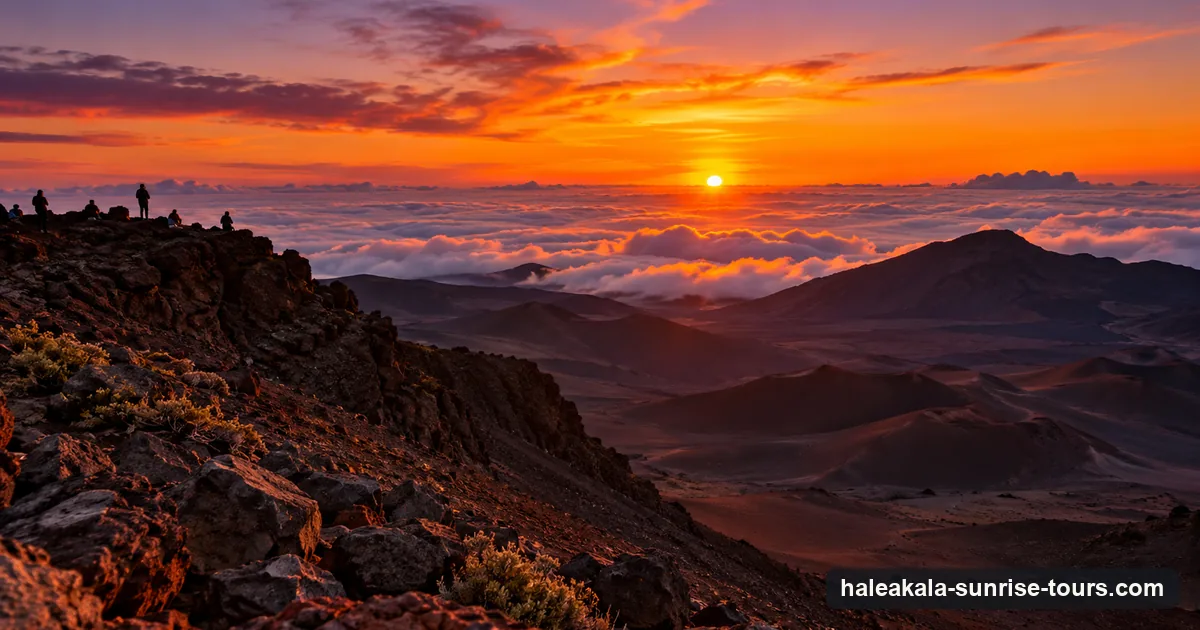
If the early alarm is what puts you off, the sunset tour to look at is Polynesian Adventure’s Sunset & Dinner Tour, from about $237 a person on the booking platform when we checked and rated 4.2 from 77 reviews. It picks you up in the afternoon, includes admission to the park and a to-go dinner, and its dates are below.
The reservation versus the gate
Sunrise is the managed visit. As of October 2026, every private car entering between 3:00 and 7:00 am needs a $1 reservation, released at 7:00 am Hawaiʻi time 60 days and 2 days ahead, and the park says each release “often sells out within fifteen minutes”. Guests of the park’s listed tour operators don’t need one; the reservation guide has the details.
Sunset is open to anyone who pays the $30 car entrance fee: “There are no reservations required to enter the park for sunset.” That doesn’t make it quiet. The park says sunset at the summit “has become increasingly popular in the last few years”, that cars “may be temporarily turned around at the gate when capacity is reached”, and that entrance lines can take 30 to 60 minutes on busy days. Its advice is to arrive two to three hours early, and at least three hours before sunset in the busy winter season.
The cold and the drive down
Both are cold. The park describes the summit before dawn and after dusk as “regularly wet, windy, and below freezing”, and the rim is about 30°F colder than the coast. One Polynesian Adventure guest left town in the mid-80s and watched the sun go down in the 50s. What to wear covers the layers for either visit.
The bigger difference is the light on the road. After sunrise you drive down in daylight, with the trails and the Haleakalā Visitor Center (open until about noon) still there if you want them. After sunset you come down in the dark, on a road with no streetlights or guardrails, which is a good reason to let someone else drive.
Times move through the year. The Hawaiʻi Tourism Authority puts sunrise between about 5:38 am in summer and 6:55 am in winter. The park’s sunset table runs from about 5:47 pm in early December to 7:16 pm in early July; in mid-October it is about 6:06 pm.
Above the clouds, most days
On most days a layer of warm air, the trade-wind inversion, sits at about 7,200 ft and stops the clouds from rising. The USGS says it is present about 82 percent of the time. The summit, at 10,023 ft, and the visitor center, at 9,740 ft, usually sit above it, which is where the sea of clouds comes from. When the pattern breaks down, the summit itself can be in cloud, rain or snow, and rain and wind are more common from November through March.
No one can promise the view. The park says it “can’t predict whether a sunrise is going to be clear or cloudy”, the sunrise reservation isn’t refunded for weather, and Polynesian Adventure’s listing warns that “sunset views are not guaranteed”. Free cancellation, up to 24 hours ahead on both sunset tours, is the real hedge against a bad forecast.
What about the stars?
The summit has dark, clear skies, and the park suggests staying after sunset to see them. Sunrise visitors get stars too, because they arrive in the dark. A Skyline Hawaii guest wrote that the sunrise was magnificent “and so were the dark sky stars beforehand”. None of the sunset tours sold here is a stargazing tour, and MauiHoppin’s listing has you heading back down once the sun has set.
Which one is yours?
Polynesian Adventure’s listing rules out pregnant women, people with heart problems or altitude sickness, and anyone who has been diving in the previous 24 hours; the operator’s own site asks divers to wait 72. Its own site says it can’t collect from residential areas or B&Bs, so confirm your pickup point when you book.
Polynesian Adventure sunset and dinner
Hot drinks, local treats, a to-go dinner and park admission. Guiding in seven languages.
Check dates →MauiHoppin sunset with snacks
Jackets, gloves, snacks and photos supplied. It meets at the Tasaka Guri Guri shop; confirm the spot when you book.
See the small-group tour →Skyline Hawaii sunrise tour
No reservation needed on the tour, and breakfast at Cafe O'Lei after sunrise. Bring warm layers.
See the sunrise tour →Prices, ratings and review counts from our October 2026 data check; operators use seasonal pricing, so treat them as the shape of the market, not a quote.
Maluhia Llamas’ sunset llama trek is a different evening: a walk with your own llama at 3,500 ft above Kula, outside the park, for guests 13 and over who drive themselves there.
If sunrise wins, is the sunrise tour worth it compares the ways to do it, and the homepage has every tour side by side.
Sunrise, sunset and weather facts from the National Park Service, the Hawaiʻi Tourism Authority and the USGS; tour details from the listings. Checked October 2026.
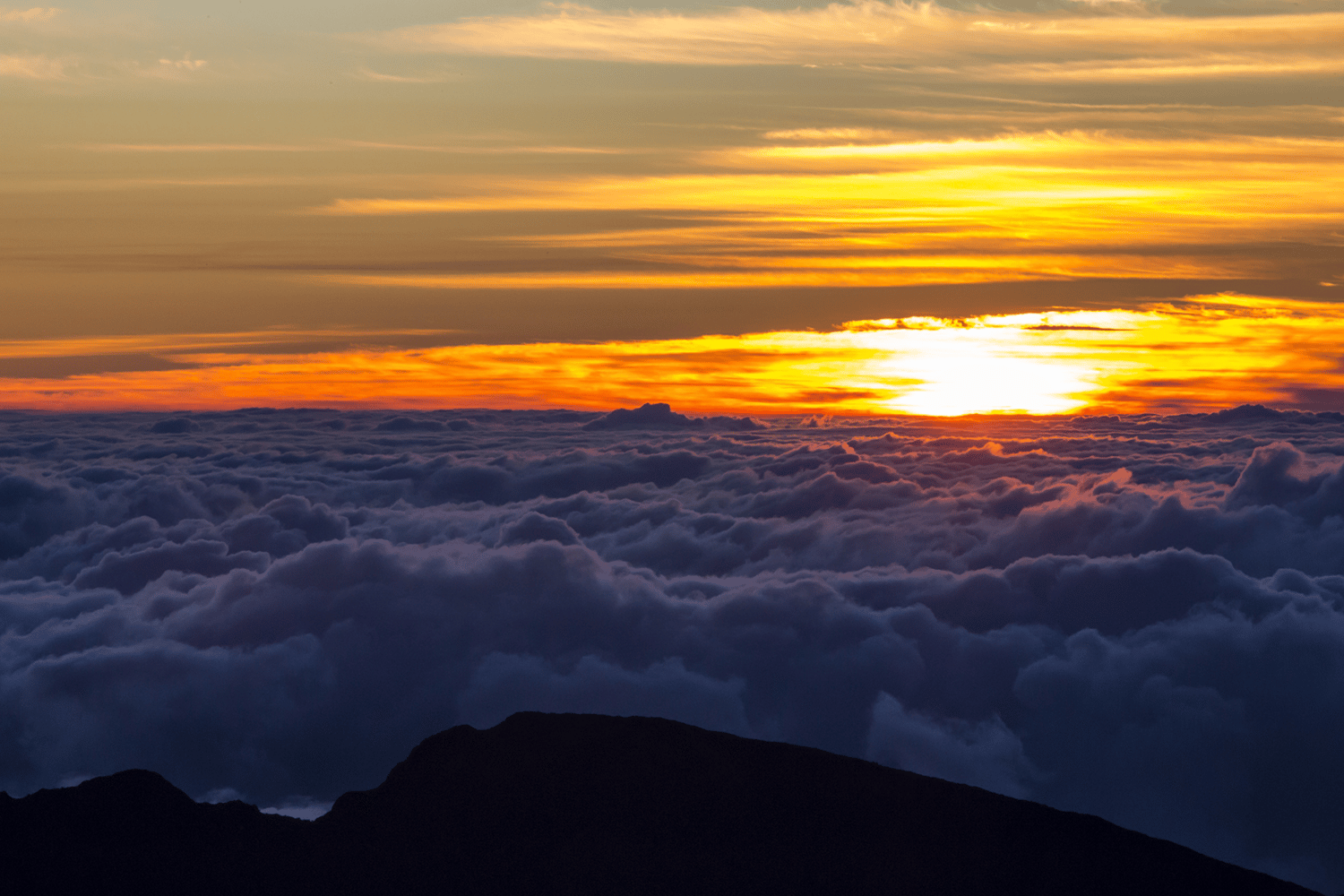
Book the Haleakalā Sunset and Dinner Tour
An afternoon pickup from 136 listed pickup points around Maui, sunset from the summit area with hot drinks and local treats, and a to-go dinner from a local restaurant. Park admission is included. Sunset views are not guaranteed.
Check Availability & Book